The Rideshare Matrix for Dual Camera Dash Cam Use
 Priya RamanSenior Analyst
November 9, 2026 — The expansion of the gig economy has accelerated the technical requirements for the Dual Camera Dash Cam, shifting it from a luxury to a mandatory tool for driver liability protection. This shift is driven by the need for simultaneous verification of road events and passenger interactions.
To navigate the current hardware landscape, think of it as a matrix of visibility and storage reliability. As noted by DDPAI.com, the choice between dual-channel or 3-channel systems often depends on shift length and the specific level of security required by the driver. For most professional operators, the dual-lens configuration provides the essential balance of evidentiary coverage and data management efficiency.
The Three-Axis Reliability Framework
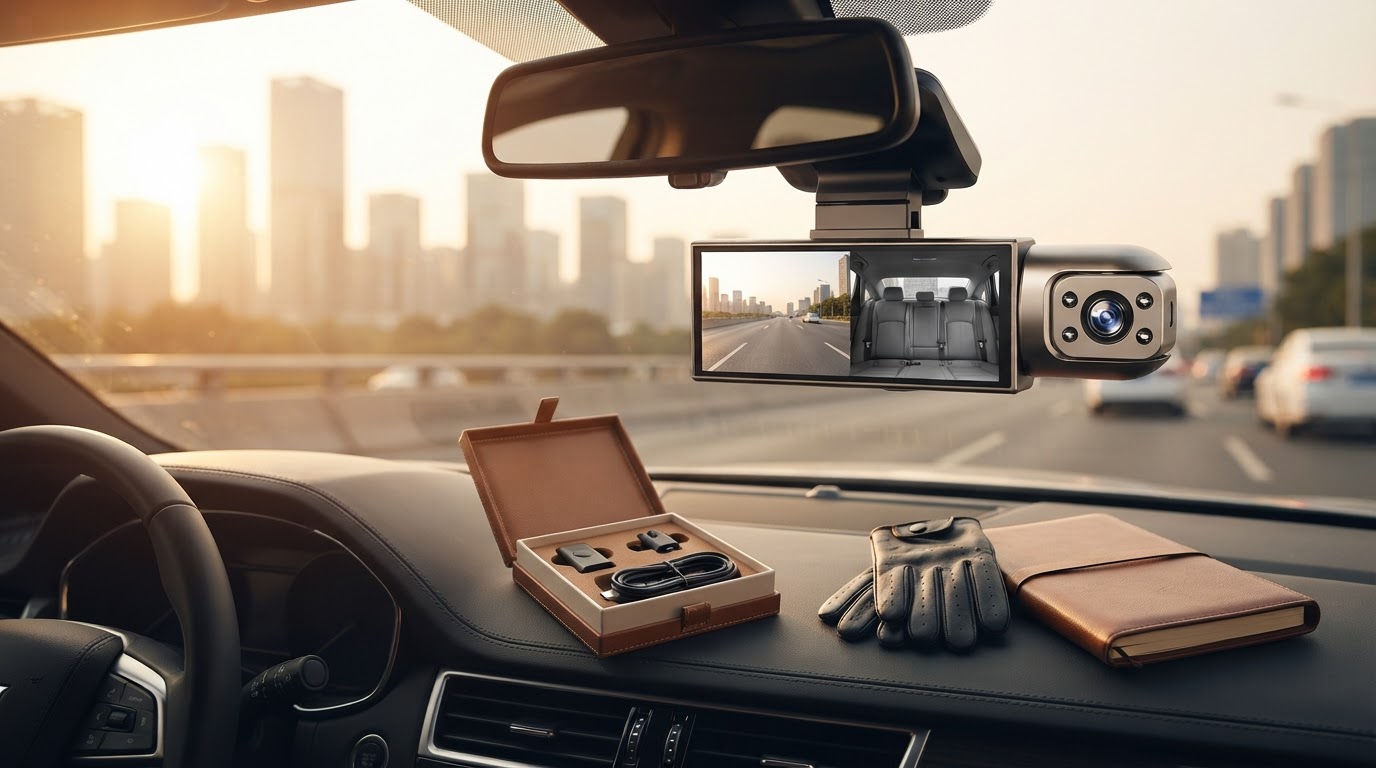
When evaluating a Dual Camera Dash Cam for rideshare applications, three axes matter here: optical resolution, infrared interior capability, and thermal management. A system that records in 4K on the front lens while maintaining a high-definition interior feed ensures that license plates are legible at a distance and that facial features inside the cabin are clear, even in total darkness. According to technical specifications found in professional hardware like the Vantrue N5, high-end units now utilize multiple lenses to cover front, rear, and cabin views, often retailing between $265.99 and $399.99 for premium configurations. These devices must sustain long runtimes, as Uber drivers often operate for 8 to 12 hours consecutively. Data from the Dual Camera Dash Cam market indicates that units with parking mode and G-sensor triggers are prioritized to capture incidents when the vehicle is stationary or during sudden impacts. The decision rule for a driver is simple: if the interior camera lacks dedicated infrared (IR) LEDs, the unit is insufficient for night shifts. Furthermore, the integration of Wi-Fi for immediate footage transfer to a smartphone is no longer optional; it is the primary method for resolving on-site disputes with passengers or law enforcement.
Expert tip: Always verify the microSD card's endurance rating rather than just its capacity. A dual camera dash cam writing two high-bitrate streams simultaneously will wear out a standard consumer-grade card in months; look for "High Endurance" labels designed for constant loop recording.
Selecting a dash cam with interior camera functionality allows for a complete record of the cabin environment. This is particularly vital when using a dash cam that records inside and outside to mitigate false claims. Once you see it this way, the hardware becomes a business insurance policy rather than a gadget. For those just starting their rideshare journey, reviewing best dash cam for uber drivers essentials can help narrow down the specific mounting and power requirements for high-frequency use.