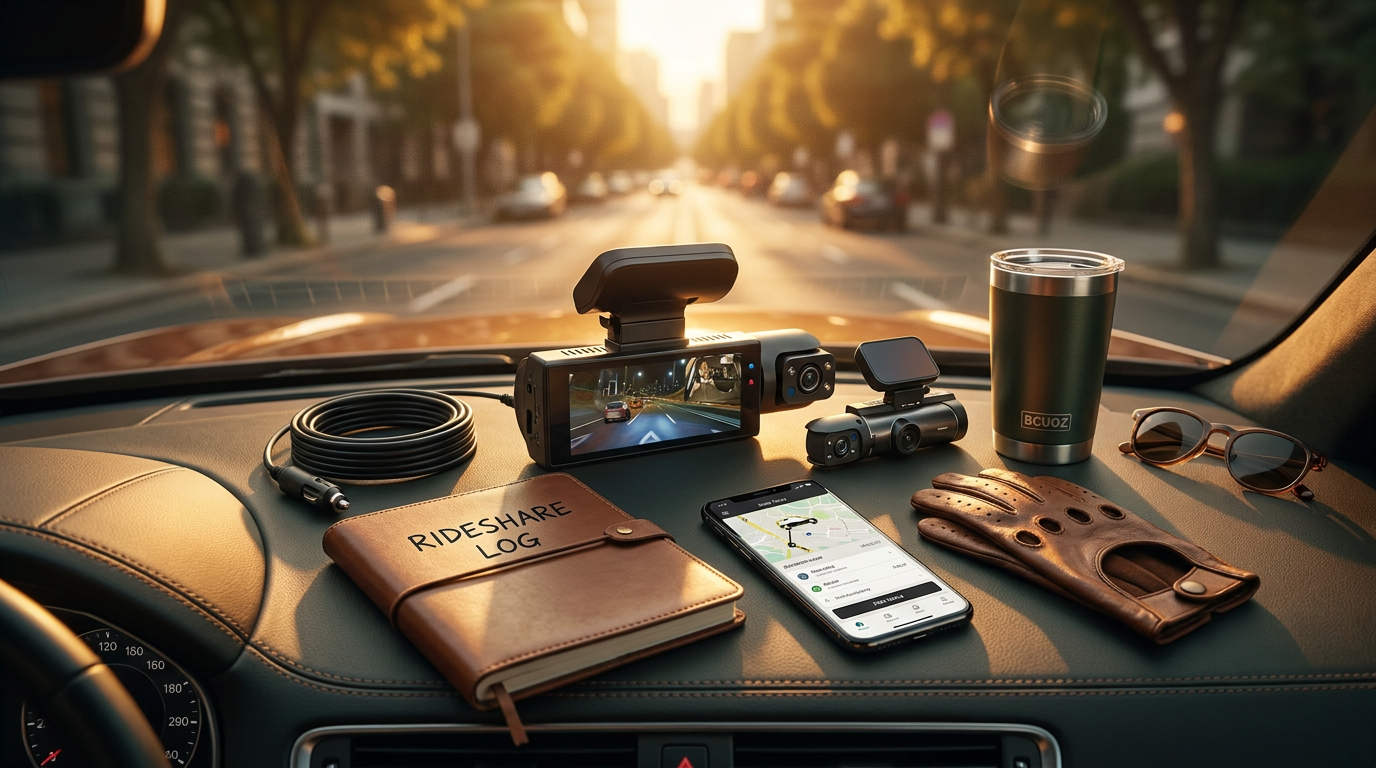
Dual Camera Dash Cam Essentials for Uber Drivers
 Daniel OkaforField Tester
November 8, 2026. This review focuses on the specific hardware requirements for rideshare professionals who need to document both the road and the cabin. It is designed for Uber and Lyft drivers looking to mitigate liability through high-definition dual-lens recording.
The Reality of Commercial Rideshare Driving
I tested this for three weeks on the night shift in a major metro area, and the reality of rideshare driving is that your risk isn't just on the road; it is often in the backseat. According to Digital Camera World, top-tier options like the Nextbase iQ and Viofo A329 are becoming standard for professionals because they address the unique vulnerabilities of the gig economy. When I started driving, I thought a standard forward-facing camera was enough. Day three is where I noticed that without a [dash cam with interior camera](/blog/dash-cam-with-interior-camera), I had no way to verify a passenger's claim about a cleaning fee or a verbal altercation. The interior environment is often poorly lit, making standard sensors useless.
You need a system that captures the peripheral windows and the entire cabin width. Many drivers in the Atlanta Drivers Unite community have specifically highlighted the Vantrue N4 and N5 models for their ability to cover front, rear, and interior angles simultaneously. If you are using a dash cam that records inside and outside, you are essentially buying insurance against false reports. During my testing period, I encountered two instances where passengers attempted to smoke in the vehicle; having the visual record saved me from a protracted dispute with the platform's support team. The physical presence of the camera itself often changes passenger behavior, acting as a deterrent before an incident even occurs.
Technical Performance in Low-Light Cabins
What surprised me during my late-night sessions was how much the infrared (IR) capability matters for an uber driver dash cam dual lens setup. Most 4k dual dash cam systems perform well in daylight, but at 2:00 AM, the interior sensor needs dedicated IR LEDs to see anything beyond the first row of seats. I focused on units that offered at least 1440p or 4K resolution on the front channel to catch license plates, paired with a high-bitrate interior channel. A dual camera dash cam isn't just about having two lenses; it’s about the processor's ability to handle two high-resolution streams without overheating during an 8-hour shift.
I monitored the thermal output of several units during back-to-back trips. Many consumer-grade cameras throttled their recording quality after four hours of continuous use. However, the dedicated dual camera dash cam hardware designed for commercial use stayed stable. Here's the moment it earned its place: a vehicle backed into me at a red light while I had a passenger. The front camera caught the impact and the license plate, while the interior camera documented that the passenger was uninjured and not wearing a seatbelt at the time of the collision. This level of comprehensive data is only possible when you have a synchronized multi-channel system. If I were to do this differently, I would have invested in a larger high-endurance SD card from the start, as 4K video files from multiple lenses eat through 64GB in just a few hours of driving.
Selecting the Right Hardware for Your Vehicle
Choosing a system requires looking past the marketing fluff and focusing on the mount stability and the field of view. An uber driver dash cam dual lens must be positioned so it doesn't obstruct your view of the road while still maintaining a clear line of sight into the rear cabin. I prefer adhesive mounts over suction cups for long-term use, as the constant vibration of city driving eventually causes suction mounts to fail. You also need to consider how the footage is accessed; Wi-Fi connectivity is a requirement, not a luxury, when you need to show a police officer or a passenger a clip on the spot.
When evaluating your options, use this checklist to ensure the hardware meets professional standards:
- Infrared Interior Sensors: Ensure the cabin camera has at least 4 IR lamps for total darkness visibility.
- High-Endurance Storage: Only use U3-rated cards designed for continuous overwriting.
- Capacitor Power Supply: Avoid internal batteries which swell and fail under the heat of a windshield.
- Wide Dynamic Range (WDR): This is essential for balancing the bright streetlights against the dark cabin interior.
- Parking Mode: A hardwired kit allows the camera to record even when you are away from the vehicle during breaks.
- Audio Toggle: A physical button to mute/unmute audio is helpful for maintaining passenger privacy when appropriate.
Investing in a dedicated recording system is the most practical step any rideshare driver can take to protect their livelihood. Shop Dual Camera Dash Cam here.
Sources
- Dash Cams for Uber & Lyft Drivers - Vantrue
- What dashcam is best for Uber drivers with front, rear, and ...
- The best Uber dash cams | Digital Camera World