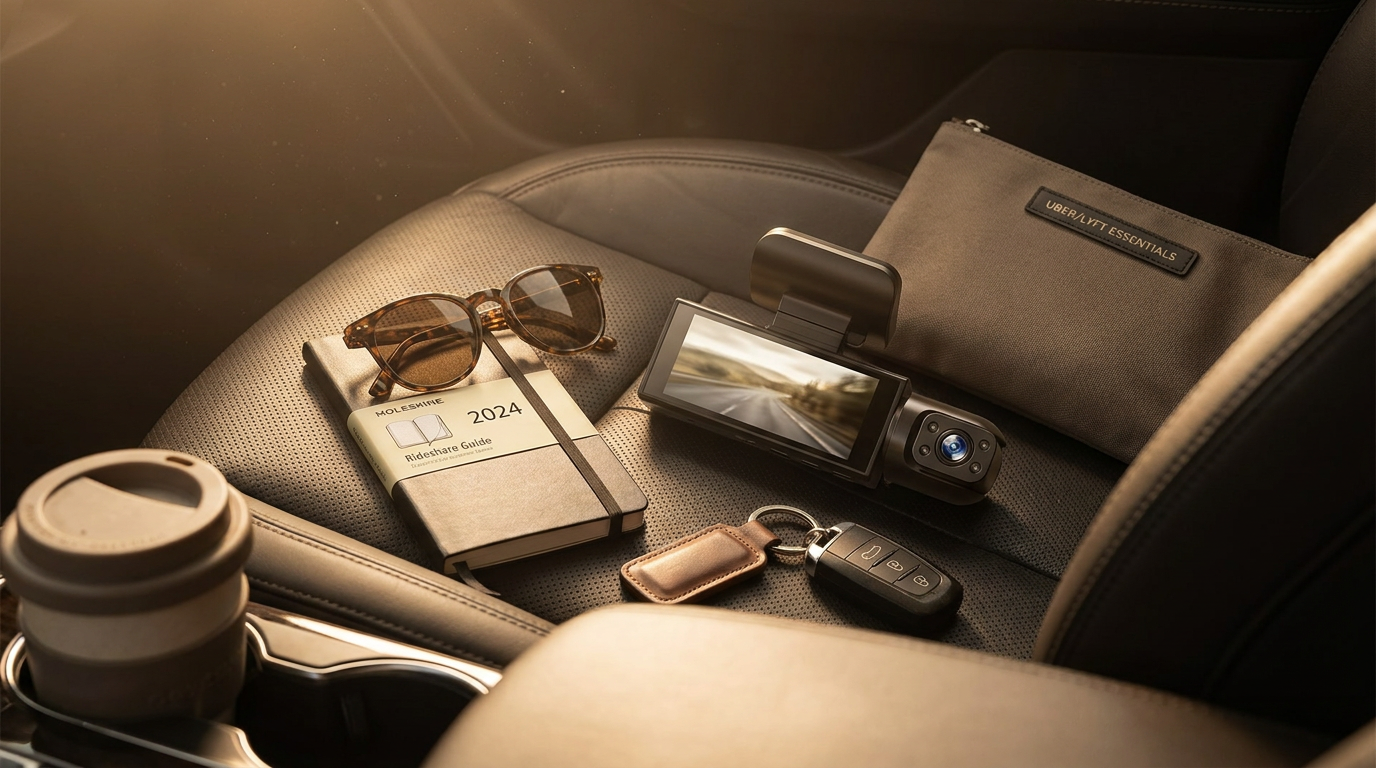
Why a Dual Camera is a Smarter Uber & Lyft Dash Cam Combo
 Maya ChenContributing Editor
The conventional wisdom says every rideshare driver needs a three-channel system covering the front, rear, and interior. While guides push complex three-camera setups, the biggest risk for drivers is often the system's own failure, not the lack of a third, less critical angle. This analysis prioritizes system reliability and evidence integrity over sheer camera count, arguing that a robust two-camera setup is the superior professional choice.
The Failure Point of 3-Channel Systems
Here's the part nobody talks about: system stability. Every additional camera and wire in a dash cam setup introduces another potential point of failure. A three-channel system increases the processing load, demanding more from the unit's CPU to manage three simultaneous video streams, audio, and GPS data. This complexity elevates the risk of software freezes, dropped frames, or total file corruption during a critical incident. Furthermore, the power draw is significantly higher. A three-camera setup can strain a vehicle's battery, especially in parking mode, leading to premature battery wear or a dead battery when you need to start your shift. A simpler architecture, as seen in most dual camera dash cam configurations, is inherently more stable.
Evidence Integrity vs. Camera Angles
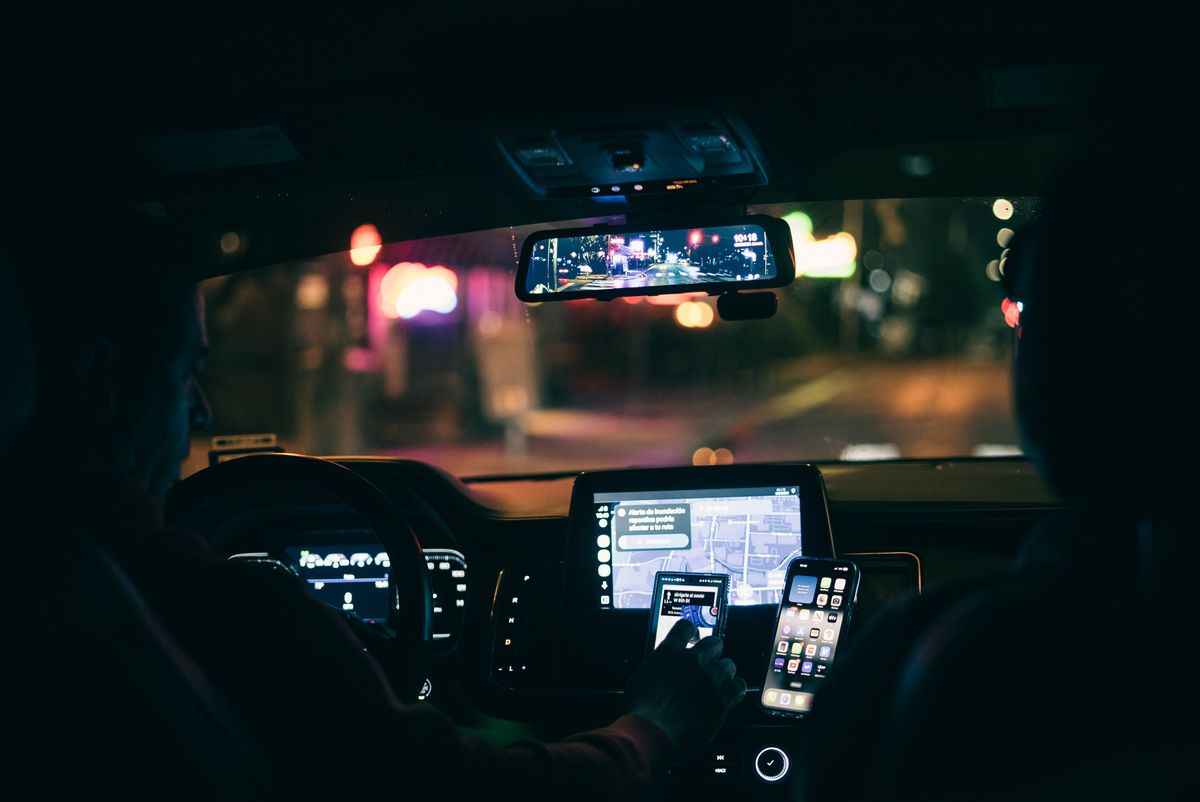
Photo by Erik Mclean on Pexels
In a dispute, corrupted or missing footage is worthless. The legal and platform value of a dash cam rests on its ability to reliably provide clear evidence. For an Uber or Lyft driver, the two most valuable pieces of evidence are the road ahead (to prove fault in an accident) and the vehicle's interior (to document passenger conduct). A rear-facing camera is secondary in the majority of rideshare-specific disputes. Focusing on a high-quality uber and lyft interior dash cam combo ensures the system's resources are dedicated to capturing these two primary angles flawlessly. Legally, it's also critical to comply with local regulations, such as California's two-party consent law for audio recording, which requires clear notification to passengers (CA Penal Code § 632). A system that fails to record audio or video reliably nullifies this compliance.
The Economics of Component Quality
Run the math: a budget allocated for a three-channel system is split three ways across sensors, lenses, and processing components. The same budget for a dual-camera system is split only two ways. This allows for a significant increase in the quality of each core component. Instead of three mediocre cameras, you get two excellent ones. This translates to superior video resolution, better thermal management to prevent overheating, and more advanced image sensors that dramatically improve low-light performance. For rideshare drivers who often work at night, high-quality night vision performance standards are non-negotiable. Spreading your investment too thin on a three-camera setup often means compromising the quality of the most critical view: the dark vehicle cabin.
I'll change my mind when three-channel systems can demonstrate the same long-term recording stability and file integrity as their dual-channel counterparts under the stress of a 12-hour shift. Until then, prioritizing reliability with two high-quality cameras, which offer better value than complex mirror cams, remains the most logical choice for professional drivers.
Is a rear camera not important for Uber drivers?
Photo by Kadir Akman on Pexels
A rear camera is useful for documenting rear-end collisions, but it is not the priority for most rideshare-specific incidents. The highest-stakes disputes for drivers typically involve forward collisions and passenger interactions inside the cabin. A reliable dual-camera system focuses resources on capturing this essential evidence without the risk of system overload that a third camera can introduce. The integrity of the front and interior footage is more valuable than an additional, less critical angle.
Does a dual camera system provide enough coverage?
Yes. A quality uber and lyft interior dash cam combo utilizes wide-angle lenses to capture a comprehensive view. The front lens typically covers a 140- to 170-degree arc, recording multiple lanes of traffic. The interior lens is designed to capture the entire cabin, including all passenger seats. This two-angle configuration provides clear and sufficient evidence for the most common and costly scenarios a rideshare driver encounters.