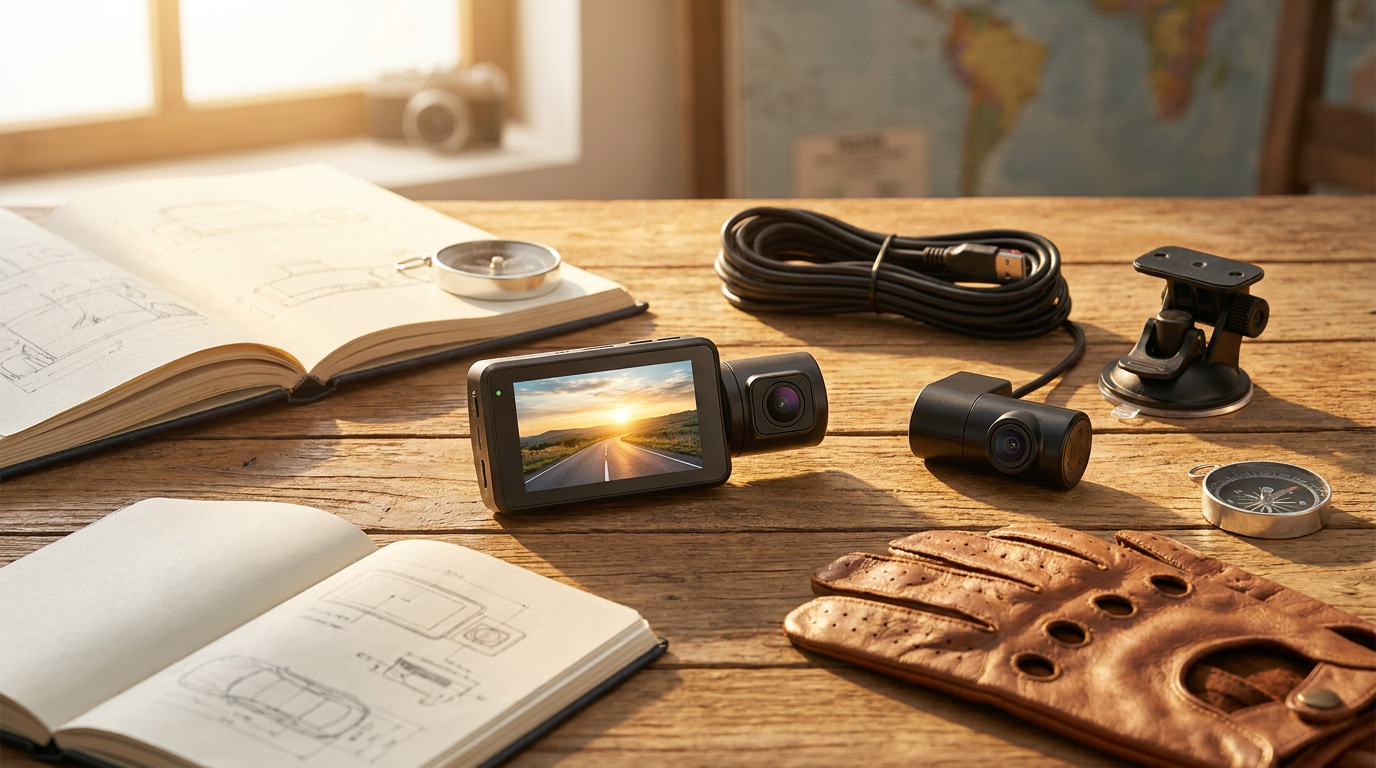
A Guide to Dual Camera Dash Cam Configurations and Features
 Maya ChenContributing Editor
A dual camera dash cam provides comprehensive vehicle monitoring by recording two distinct viewpoints simultaneously. This capability is crucial for capturing a complete record of traffic incidents, making these systems a valuable tool for insurance claims and road safety. Understanding the different configurations and technical features is the first step in choosing the right system for your vehicle.
Key Dual Camera Dash Cam Configurations
Selecting a dual camera system requires matching its lens orientation and sensor capabilities to your specific needs. The three most common setups each offer unique advantages.
Essential Technical Features to Look For
Photo by Michael Li on Pexels
Beyond the camera configuration, several technical specifications define a system's performance and reliability.
- Resolution and Night Vision: While 4K is becoming standard for front cameras, sensor quality is just as important. A superior image sensor ensures clear night vision, which is critical for identifying details after dark.
- Parking Mode: This feature uses a G-sensor to detect impacts while the vehicle is parked. When triggered, the camera wakes up and records the event, providing protection against hit-and-runs or vandalism. This typically requires hardwiring the dash cam to the vehicle's fuse box.
- SD Card Compatibility: High-resolution 4K recording demands a high-speed microSD card. Always use a U3-rated card to prevent write-speed errors, which can cause corrupted or lost footage during a critical incident.
What is the main advantage of a dual camera dash cam?
The primary advantage is the comprehensive evidentiary support it provides. By recording both the road ahead and either the rear or interior of the vehicle, it creates a more complete and contextual record of events. This is invaluable for accurately determining fault in an accident, defending against fraudulent claims, and monitoring driver or passenger behavior.
Do dual camera dash cams need professional installation?
Photo by Luke Miller on Pexels
Not always. Many dual camera systems are designed for easy DIY installation, especially those that draw power from a 12V cigarette lighter adapter. However, for systems featuring a parking mode, professional hardwiring is often recommended. This ensures the device is correctly connected to the car's battery without risk of drainage and allows the parking surveillance feature to function correctly.