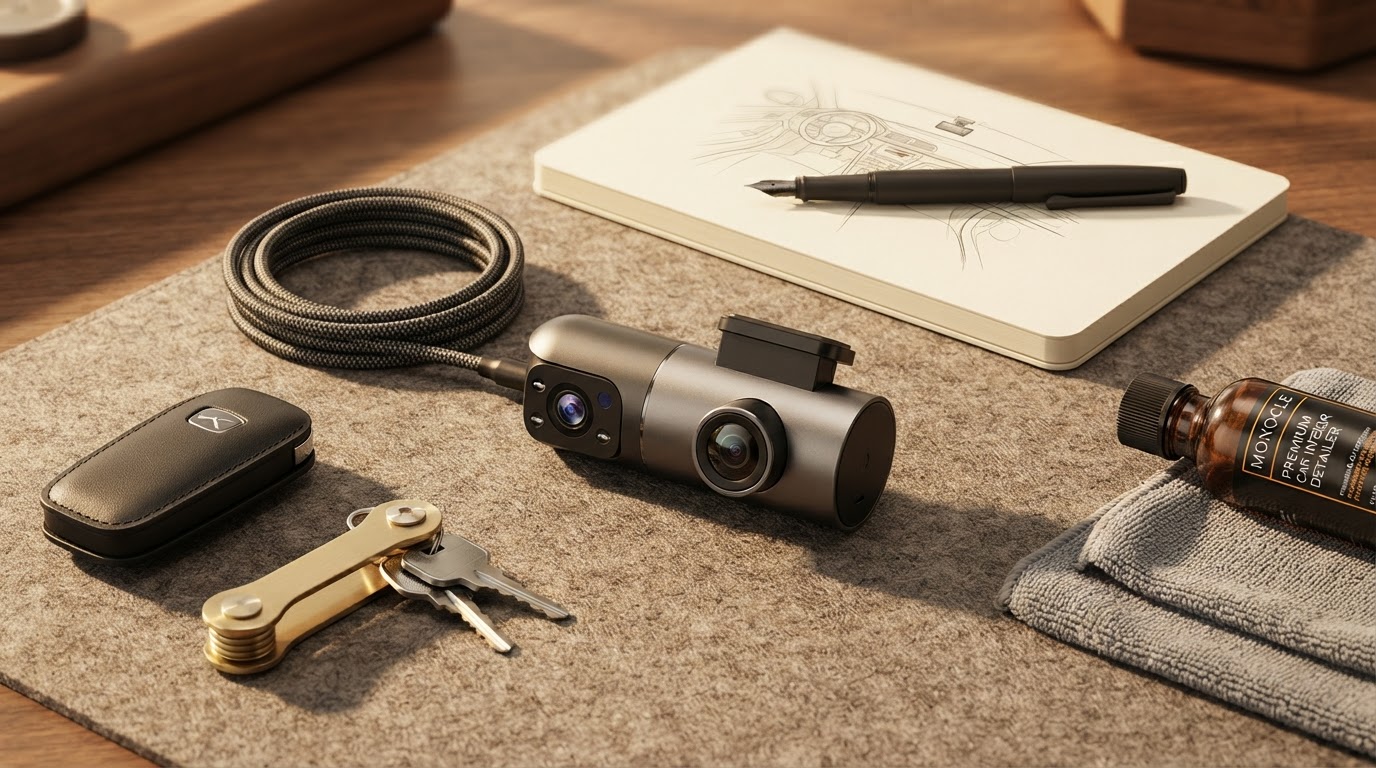
The Stealth Profile Dual Camera Dash Cam Framework
 Sam VasquezBuying Guide Lead
November 18, 2026 — The automotive security market is shifting toward low-profile integration as drivers seek the protection of a Dual Camera Dash Cam without the clutter of bulky hardware.
Modern vehicle owners increasingly prioritize aesthetics and theft deterrence, mirroring the precision engineering seen in high-end audio and mechanical equipment. Just as companies like Dual Electronics focus on seamless connectivity and safety for car and marine environments, the current generation of dash cameras aims to disappear into the rearview mirror housing. My focus remains on units that offer high-resolution evidence without obstructing the driver's field of view.
The Discrete 3-Point Selection Criteria
When evaluating a hidden Dual Camera Dash Cam, I look for three non-negotiable factors: physical footprint, sensor capability, and wiring management. For rideshare drivers specifically, the internal lens must be wide enough to cover the entire cabin without a visible protruding arm. Based on current market data, the most effective hidden systems utilize a 4K front-facing sensor paired with a 1080p interior or rear camera. These systems typically feature a 170-degree field of view to eliminate blind spots. For those concerned about overnight security, look for units with a G-sensor and 24-hour parking mode, which triggers recording upon impact detection even when the engine is off. High-quality night vision is equally critical, often utilizing Sony STARVIS sensors to pull detail from low-light environments where standard sensors fail.
Between these two common configurations—the wedge-shaped adhesive mount and the mirror-replacement style—I’d go with the wedge mount. It sits higher on the glass, making it nearly invisible from the exterior. If you're on a budget, you might be tempted by suction cup models, but they are far more conspicuous and prone to vibration. Skip this if you drive a classic car with a vertical windshield, as the fixed angle of most stealth mounts won't align correctly. For everyone else, the goal is a set-it-and-forget-it installation that doesn't scream "expensive electronics" to passersby.
Expert tip: Always verify if your chosen model supports a hardwire kit. To achieve a truly hidden look, you must tap into the fuse box rather than using the 12V cigarette lighter outlet.
Properly installing your Dual Camera Dash Cam like a pro involves routing cables through the A-pillar and headliner. If you are concerned about clutter, you might wonder can a Dual Camera Dash Cam run without visible wires? The answer is yes, provided you use the right tools for concealment. For those who prioritize speed of setup, selecting the easiest to install dual dash cam might mean sacrificing a bit of the "hidden" aesthetic for convenience. Finally, remember to follow the 4-zone strategy for Dual Camera Dash Cam setup to ensure your rear lens provides maximum coverage without interfering with trunk operation.
Selecting the right hardware is only half the battle; ensuring it remains out of sight preserves the interior integrity of your vehicle while providing peace of mind.