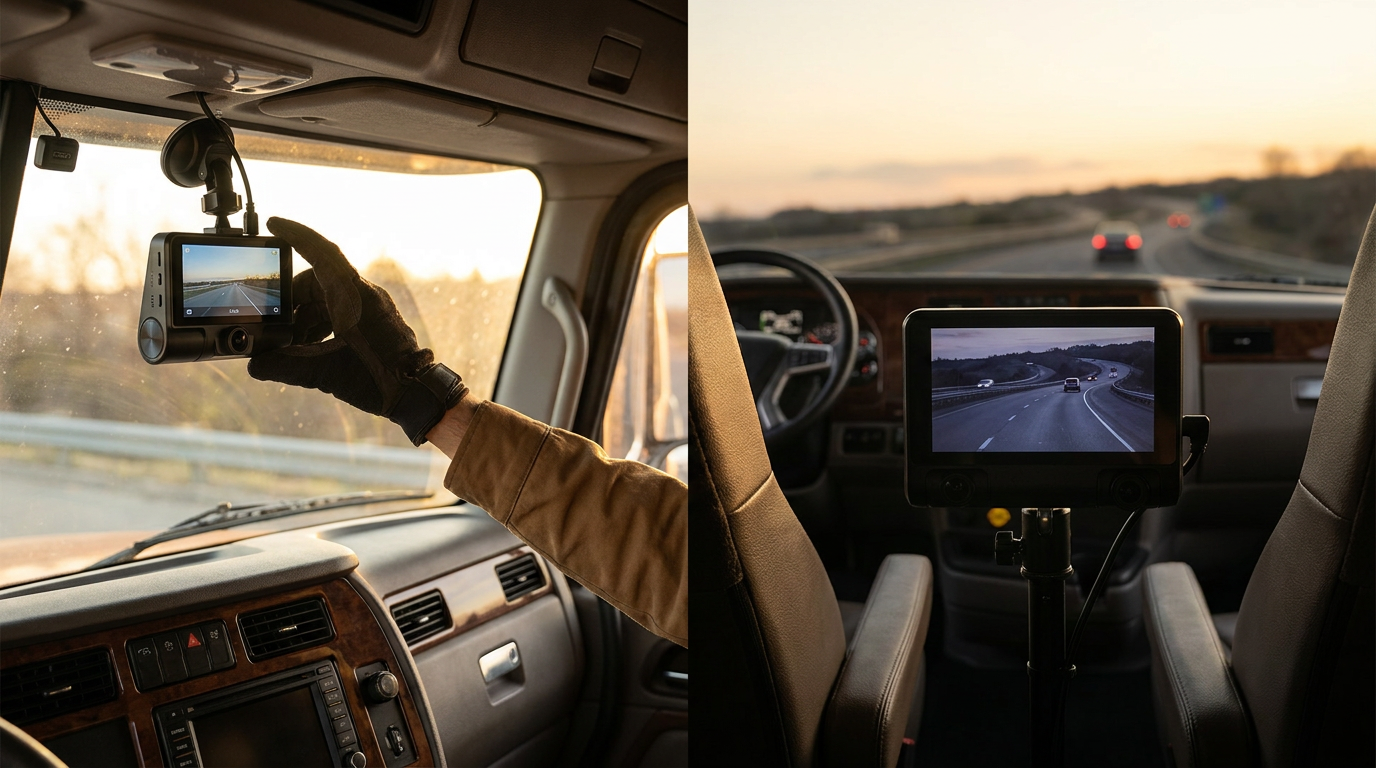
Choosing a Dual Camera Dash Cam for Heavy Duty Trucks
 Priya RamanSenior Analyst
July 18, 2026 — Selecting a Dual Camera Dash Cam for trucks requires prioritizing extended cable lengths and infra-red night vision to bridge the significant distance between the cab and the rear trailer hitch.
Commercial drivers and heavy-duty truck owners face unique visibility challenges that standard passenger vehicle setups cannot address. The decision rule for these operators rests on a matrix of mounting distance and sensor sensitivity, as the standard 20-foot cable provided with most consumer units is insufficient for semi-truck or box truck configurations.
How does truck length affect Dual Camera Dash Cam installation?
The primary constraint for truck-specific installations is the physical distance between the primary unit and the secondary lens, which often necessitates a 15-meter to 20-meter extension cable. Think of it as a matrix of signal integrity and physical reach; standard coaxial cables used in smaller vehicles often experience signal degradation over the distances required for a long-haul truck. Two axes matter here: the physical mounting height of the rear camera and the weatherproofing rating of the external housing. While a dash cam that records inside and outside is effective for driver monitoring, rear-facing units for trucks must be mounted externally to provide a clear view of the blind spot, requiring an IP67 or IP69K waterproof rating to withstand high-pressure washing and highway debris.
What are the night vision requirements for long-haul trucking?
Night vision for commercial trucking must utilize dedicated infrared (IR) LEDs rather than relying solely on software-based image processing to ensure visibility in unlit rural corridors. Once you see it this way, the distinction between standard low-light sensors and true IR-cut filters becomes clear; the latter allows for high-contrast grayscale footage even in total darkness, which is critical for securing cargo during overnight stops. This is especially relevant for those seeking a dash cam for car insurance discount, as insurers often require clear evidence of incident surroundings, not just the collision point. High-resolution 4K sensors on the front channel combined with 1080p IR sensors on the rear or interior channel provide the necessary forensic detail for fleet liability management.
Quick answers

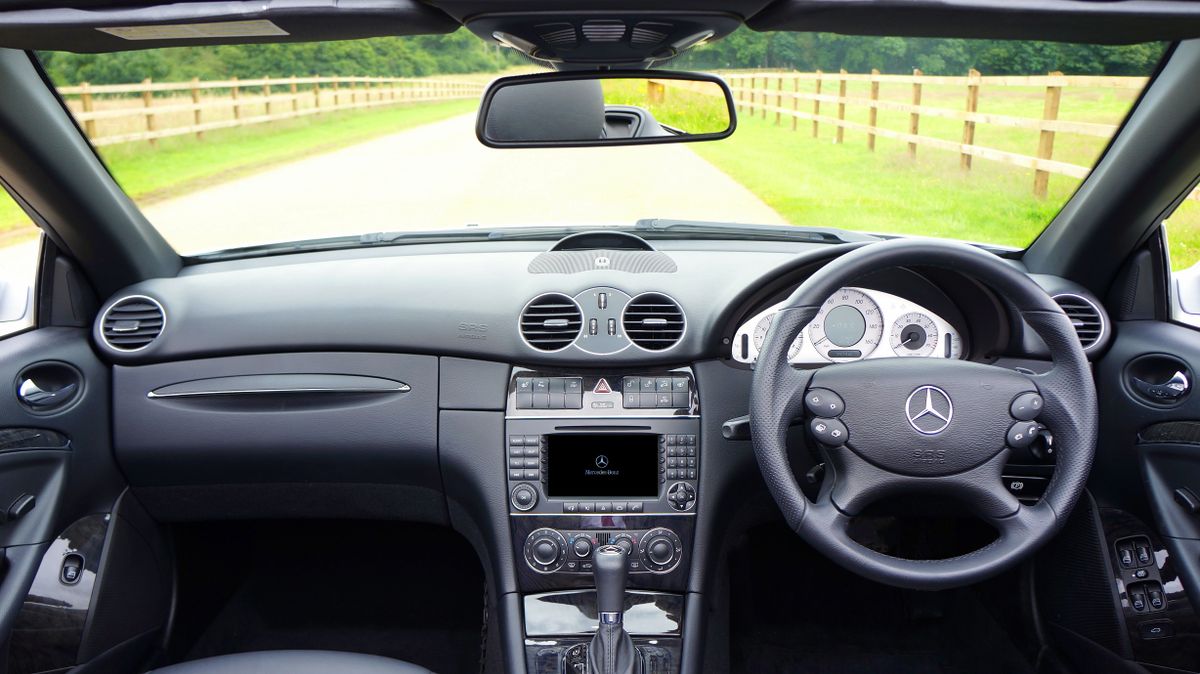
Photo by Myicahel Tamburini on Pexels
Q: Can a standard dual dash cam fit a 53-foot trailer? A: No, standard consumer cables are typically 20 feet long, while a 53-foot trailer requires specialized 65-foot or 80-foot heavy-duty extension cables to maintain signal quality.
Q: Does a Dual Camera Dash Cam help with trucking insurance? A: Most commercial insurers offer premium credits or deductible waivers if a dual-channel system with 24-hour parking mode is installed and active.
Q: Is a cabin-facing camera required for professional drivers? A: While not legally mandated in all regions, many carriers require a best dash cam for uber drivers style setup that records the driver to exonerate them from distraction claims during accidents.
Q: What is the best resolution for truck dash cams? A: A 4K resolution (3840x2160) on the front channel is recommended to capture license plates at highway speeds, while 1080p is sufficient for the secondary rear or interior channel.
Learn more about Dual Camera Dash Cam at https://dualcameradashcam.com.