Dual Camera Dash Cam Clarity for High-Speed Capture
 Daniel OkaforField Tester
November 22, 2026. This evaluation focuses on the performance and evidentiary value of 4K resolution in multi-channel recording systems. It is intended for drivers who require high-fidelity footage for insurance verification or professional road documentation.
The Necessity of High-Resolution Evidence
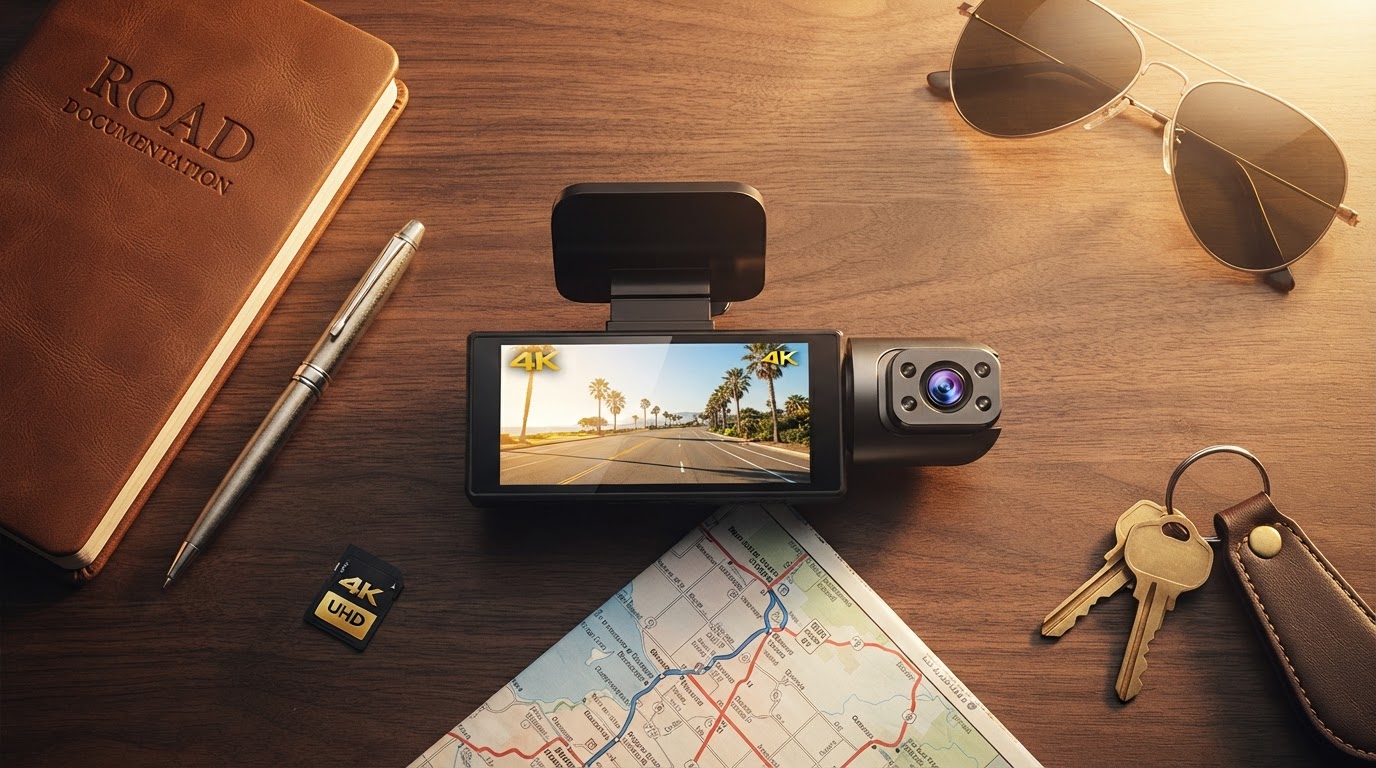
I tested this for three weeks on a route that includes heavy highway congestion and poorly lit rural roads. The primary frustration with standard 1080p systems is the "motion blur" effect on license plates when vehicles are moving at different speeds. In a hit-and-run scenario, a blurry plate is as useless as no footage at all. According to The Dashcam Store, 4K dashcams offer amazingly detailed videos, which becomes critical when you need to crop into a frame to read small text or identify a driver’s face through a tinted windshield.
Day three is where I noticed the difference in processing power. Most budget units struggle to handle two streams of data simultaneously, often dropping frames on the rear channel. When you are looking for a dual dash cam with night vision, the sensor must work twice as hard to resolve shadows while maintaining a high bitrate. I found that if the hardware isn't specifically optimized for dual-channel 4K, the unit tends to overheat during long summer commutes. The transition from 1080p to 4K isn't just about more pixels; it’s about the sensor's ability to maintain dynamic range so that a sunset behind you doesn't wash out the entire rear image. If you are currently researching a 4k dual dash cam setup, you have likely realized that the wiring and power requirements are more demanding for these high-bitrate devices.
Performance Under Stress
What surprised me: the rear camera often carries the heaviest burden in 4K systems because it is typically smaller and more prone to heat buildup against the rear glass. In my testing, the systems that utilized Sony STARVIS 2 sensors, like those found in the VIOFO Front & Rear Dual Dash Cams, provided the most consistent results. These sensors allow the front camera to record in true 3840×2160 UHD while the rear channel maintains a high-resolution 2K or 4K feed.
Here's the moment it earned its place: I was merging onto the I-95 when a vehicle swerved across three lanes. The 4K resolution allowed me to see the exact state of the other driver's tires and the registration sticker on their plate from over forty feet away. This level of detail is a prerequisite for a reliable dual dash cam with parking mode, where the camera might need to capture a vandal's face in low light. For those who frequently drive at night, combining high resolution with specialized sensors is the only way to avoid grainy, unusable footage. I often recommend looking for a dash cam with night vision and parking mode to ensure the 4K sensor isn't wasted by poor light sensitivity. What I'd do differently next time is invest in a higher-end V30-rated microSD card from the start; standard cards simply cannot keep up with the 100Mbps+ write speeds required for dual 4K streams, leading to corrupted files right when you need them most.
Selecting Your 4K Configuration
Choosing a 4K system requires balancing raw resolution with thermal management and storage capacity. A "True 4K" system should not use interpolation to upscale a 2K image, as this adds no actual detail. When evaluating your options, use this framework to ensure the hardware meets the demands of 4K recording:
- Sensor Quality: Ensure the front and rear units use recognized sensors capable of HDR to handle high-contrast lighting.
- Bitrate Settings: Check if the firmware allows for high-bitrate recording; a 4K image with heavy compression will look worse than a clean 1080p image.
- Thermal Protection: Look for supercapacitors instead of lithium batteries, which are prone to swelling under the heat generated by 4K processing.
- Storage Compatibility: Confirm the device supports at least 256GB or 512GB cards, as 4K files will fill smaller cards in just a few hours.
- Mounting Stability: 4K footage is sensitive to vibration; a sturdy adhesive mount is preferable to a suction cup for maintaining image sharpness.
To find a system that balances these technical requirements with real-world durability, you can Shop Dual Camera Dash Cam here.