Wolfbox G840S Mirror Cam vs Dual Camera Dash Cam Basics
 Daniel OkaforField Tester
May 25, 2026 — Drivers are increasingly weighing the benefits of high-end streaming mirrors against standard cabin monitors following a recent price drop for the Wolfbox G840S. While the Wolfbox offers a 12-inch 4K display, many users are returning to simpler dual-lens setups to avoid hardware failures common in complex mirror units.
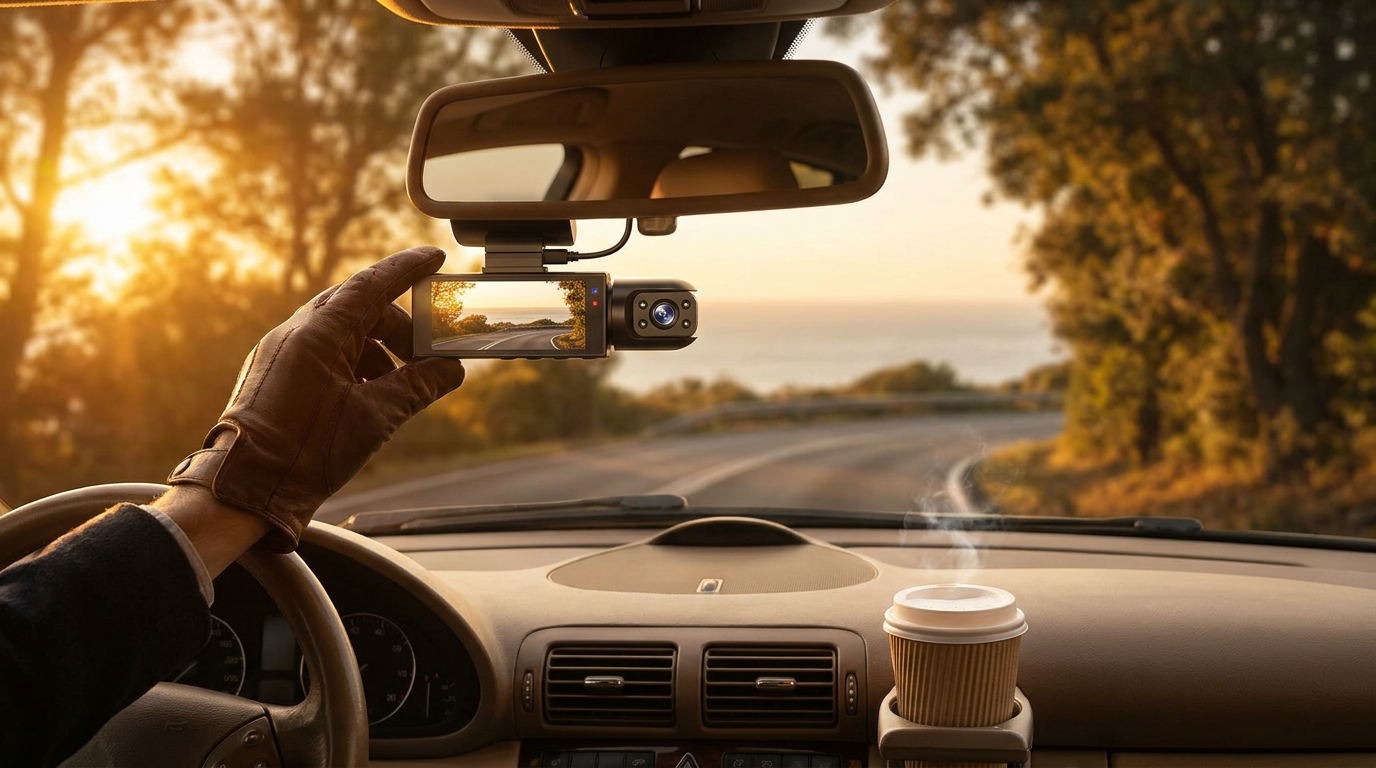
I tested this for seven days straight in my daily driver to see how these different form factors handle real-world heat and vibration. According to Ozbargain.com.au, some users have moved toward these mirror upgrades after their previous entry-level units failed to read SD cards. During my week of testing, I focused on how the hardware held up during 10-hour shifts. The Dual Camera Dash Cam I keep as my baseline uses a 1080P front lens and a 480P interior lens, which stayed mounted to the glass even when the cabin temperature hit 95 degrees.
Photo by Erik Mclean on Pexels
Day three is where I noticed the biggest difference in usability. The Wolfbox G840S is currently listed at $175.98 at Amazon according to Ozbargain.com.au, but that extra cost brings a lot of wiring complexity. In contrast, the Dual Camera Dash Cam setup was running in under five minutes. I spent one afternoon recording night footage and another testing loop recording to see if the included 32GB card would choke. It didn't. The IR night vision on the interior camera gave me a clear view of the back seat, which is something a mirror-only cam often misses.
What surprised me: the 2.0 inch IPS screen on the standard dual unit was actually easier to glance at during heavy traffic than the massive 12-inch mirror, which felt distracting at night. I also spent time managing power cables and optimizing SD card storage to ensure the system wouldn't drop frames. The suction mount on the dual unit held firm, while the heavier mirror unit tended to vibrate on rougher patches of pavement.
Expert tip: If you are using a dual-lens system, always format your SD card inside the device menu rather than on a computer. This ensures the file structure matches the loop recording requirements of the 1080P/480P stream and prevents the 'card error' issues reported by some mirror cam users.
Here's the moment it earned its place: a car cut me off in a parking lot, and the G-sensor triggered perfectly on the Dual Camera Dash Cam, locking the footage before I even had a chance to hit the manual save button. If I were to do it differently next time, I’d hardwire the unit directly to the fuse box to free up my 12V outlet for my phone charger.
Reliability matters more than resolution when you're actually on the road. Shop Dual Camera Dash Cam.