Lingdu 4K Mirror Cam vs. Dual Camera Dash Cam Efficiency
 Maya ChenContributing Editor
June 28, 2026 — The dash cam market is currently reacting to a significant price drop on the Lingdu 12-inch 4K UHD Front & Rear Mirror Dash Cam, now retailing for $70. While the hardware offers high-resolution exterior recording, the shift toward oversized mirror replacements ignores the specific security needs of rideshare and commercial drivers. The conventional wisdom says that higher resolution on a rear-view mirror is the primary metric for driver safety, but this ignores the critical data gap regarding cabin activity.
According to Dealnews.com, the Lingdu unit is currently $70 off its $140 list price when using the coupon code DEALD4K50. The device targets drivers who prioritize reading license plates via 4K front-facing resolution. However, the hardware footprint of a 12-inch mirror overlay can be intrusive. Run the math: a 4K file at high bitrates will exhaust standard storage significantly faster than a balanced 1080P system, leading to more frequent overwrites of critical footage.

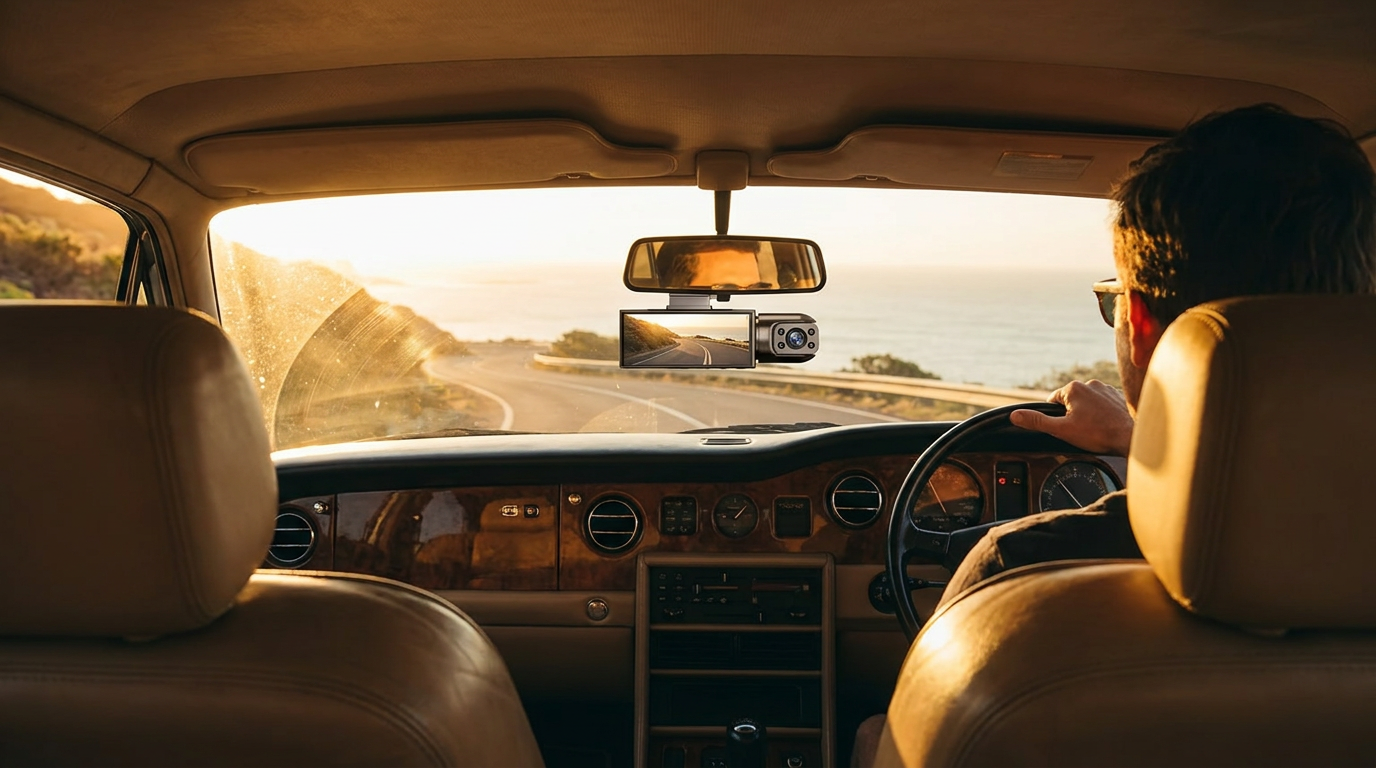
Photo by Lukas Rychvalsky on Pexels
Here’s the part nobody talks about: exterior 4K resolution does nothing to mitigate liability for incidents occurring inside the vehicle. The Dual Camera Dash Cam addresses this by utilizing a dual-lens system that provides 1080P for the front and 480P for the interior. While the Lingdu focuses on the rear bumper, the Dual Camera Dash Cam uses IR Night Vision to ensure the cabin remains visible even in total darkness. For those managing rideshare insurance requirements or preventing passenger disputes, a rear-facing exterior camera is a secondary concern compared to interior documentation.
Expert tip: When installing any dual-lens system, ensure your SD card speed class is at least U3 or V30. High-resolution units like the Lingdu or the Dual Camera Dash Cam require consistent write speeds to prevent frame drops during loop recording, especially when the G-sensor triggers emergency locks that segment the storage space.
I’ll change my mind when 4K mirror units integrate interior IR sensors without compromising the driver's physical field of vision. Until then, the $70 savings on a mirror overlay remains a trade-off in cabin security.