GKU D600 Pro Max 4K vs Dual Camera Dash Cam Efficiency
 Maya ChenContributing Editor
July 31, 2026 — The dash cam market is currently fixated on the GKU D600 Pro Max 4K, which has seen a significant price drop to $89.99 on Amazon. While the consensus suggests that higher resolution is the primary metric for driver security, the actual utility of 4K front-facing footage often comes at the expense of storage management and cabin oversight.
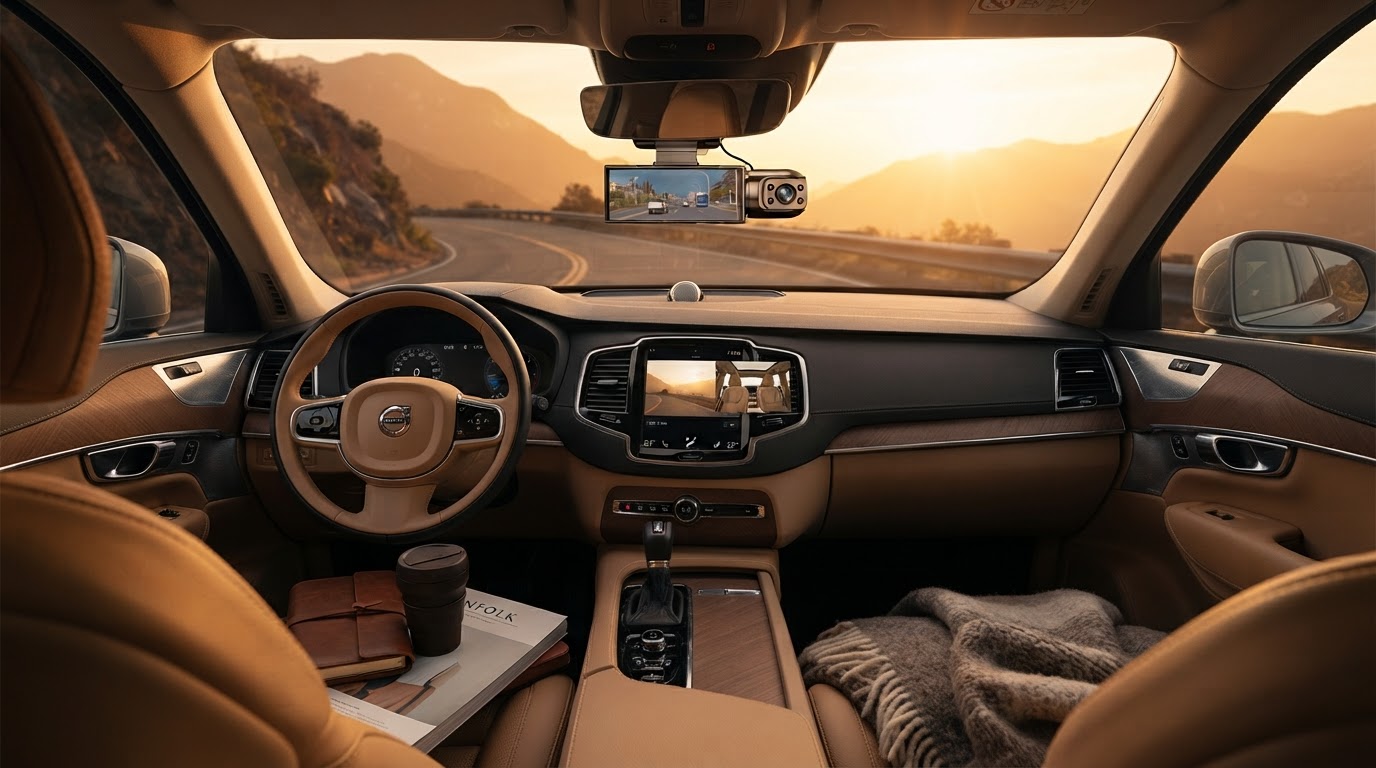
The conventional wisdom says that more pixels equal better protection. However, run the math: a 4K front-facing stream consumes roughly 300MB per minute of footage, meaning a standard 32GB card will overwrite itself in less than two hours. According to Slickdeals.net, the GKU D600 Pro Max features a 4K front and 1080P rear configuration. While the technical specs are high for the $90 price point, this setup ignores the interior of the vehicle. For rideshare drivers or those concerned with liability, a specialized Dual Camera Dash Cam with an integrated interior lens provides a more comprehensive record than a high-res rear-view setup that misses the cabin entirely.

Photo by Soudha J. on Pexels
Here's the part nobody talks about: 4K sensors generate significant heat, which can lead to thermal throttling in summer conditions. The Dual Camera Dash Cam prioritizes a 1080P front and 480P interior split, which maintains a lower thermal profile and extends the lifespan of the included 32GB SD card. According to Slickdeals.net, the GKU deal includes free shipping, but it does not explicitly solve the storage bottleneck inherent in 4K recording. If you are tracking loop recording efficiency, you'll find that lower bitrates often provide more reliable long-term evidence than high-resolution files that corrupt during write-cycles.
Expert tip: When installing a dual-lens system, always verify the IR night vision capability of the interior lens. A 4K front camera is useless for documenting a cabin dispute if the interior isn't illuminated by infrared sensors during night driving. Ensure your playback settings are configured to lock files automatically during a G-sensor event to prevent the 4K files from overwriting critical accident footage.
I'll change my mind when 4K processing efficiency doubles and 512GB high-endurance cards become the industry default for budget bundles. Until then, the pixel chase remains a distraction from functional cabin coverage.